

March 2, 2026
“Your Presence Still Matters”: Reimagining Aging Through Youthful Eyes
By Sahebi Abdullah Saiyed, MD, MPH, CMD
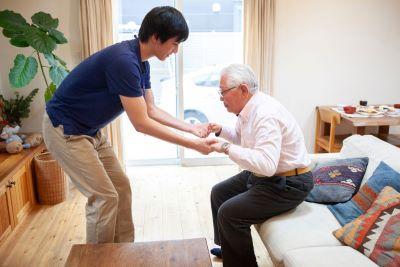
“I thought the nursing home would be depressing,” one student confessed. “But I saw laughter, friendships, and people who still had so much to share.”
For many young people, nursing homes are invisible—rarely discussed and often portrayed as symbols of decline. A Gallup/West Health poll found that nearly 70% of Americans feel uncomfortable at the thought of being admitted to one.1 Younger generations often imagine these places as sterile, sad, or even frightening.
But what if those perceptions are wrong? What if nursing homes are not places of isolation, but communities filled with resilience, humor, and meaningful relationships? What happens when young people step inside and see aging not as an end, but as a continuation of life?
The discomfort many feel doesn’t stem from experience—it stems from the absence of something. Most have never entered a nursing home, never spoken with a resident, never witnessed the quiet beauty of daily life in long-term care. Their understanding is shaped by what they don’t see.
The media rarely shows warmth or humor. Instead, it amplifies tragic headlines, lawsuits, and neglect. Pop culture portrays nursing homes as lifeless and lonely, rather than places where people continue to grow and connect.
But those of us who work in long-term care know a different story. We see nurses who brave snowstorms to care for patients. We see CNAs crocheting personalized blankets for residents, choosing colors based on cherished memories. 2 These moments don’t make the news, but they make a difference. They are quiet, everyday acts of love that define long-term care.
When students walk into a nursing home for the first time, many are hesitant. Some are nervous; others carry assumptions shaped by media or family stories. One student admitted, “I thought the nursing home would be depressing, a place where people were just waiting for their time to come.” But by the end of the week, that same student wrote, “What I saw instead was laughter at lunch, friendships between residents, and staff who cared deeply. It made me realize that aging is more than decline, it’s a continuation of living.”
Another student expected nostalgia and old songs. She imagined residents reminiscing about Elvis and gossiping about the past. Instead, she found vibrant conversations about politics, family, and creativity. She witnessed dementia care that utilized dolls and sensory objects to bring comfort. She saw joy in music, connection in conversation, and dignity in daily routines. Her view shifted from stereotype to deep appreciation.
One reflection stayed with me. A student who had previously performed music at the facility returned as a volunteer. This time, she saw where residents lived. She wrote, “I didn’t know what to expect, especially those who had advanced dementia. Over time, I learned how staff used creativity, like dolls for comfort or music for reassurance. I saw how much patience and care it takes to help someone walk, eat, or just feel calm. Although it can be difficult, I realized how rewarding this work can be, especially when patients smile or say thank you. I also came to understand that even though some may not remember you, your presence still matters.”
That last line, “your presence still matters,” says it all.
What the Students Taught Me
These young volunteers didn’t just learn about aging; they taught me something, too.
- Empathy and Humanization: Again and again, students wrote about how their assumptions were challenged. “I expected people to be disengaged,” one said, “but instead I heard stories of childhood, careers, and adventures. I learned to see beyond the wheelchair.”
- Respect for Care Work: Many gained a new appreciation for the dedication of nursing assistants, nurses, and therapists. “I had never realized how much patience it takes to help someone eat a meal or walk down a hallway,” one student reflected. “It’s a kind of strength that isn’t always recognized.”
- Reframing Aging: By the end of the week, students stopped describing residents as “old and fragile.” Instead, they used words like “wise,” “resilient,” and “joyful.”
- Career Inspiration: A few even began to imagine futures in healthcare. “I had never thought about working with older adults,” one wrote, “but after this week I could imagine myself as a doctor or nurse in geriatrics.”
From an educator’s perspective, this is a simple but powerful model. Students shadow staff, observe daily life, and then write guided reflections. That writing is essential—it helps them process what they’ve seen, emotionally and intellectually. It’s not just about healthcare. It’s about humanity.
In a time when ageism is rampant and long-term care faces staffing shortages, programs like this matter more than ever. They plant seeds of empathy, of respect, of curiosity. Seeds that can grow into lifelong understanding, or even a calling.
Every time I read a student’s essay, I’m reminded why we must keep opening these doors. High schoolers may walk into a nursing home unsure of what they’ll find. But they leave with something more: a new lens for seeing aging, caregiving, and the quiet power of human connection.
Nursing homes aren’t just places of care. They’re classrooms for life’s most meaningful lessons. If we give young people the chance to learn inside them, they might help us reimagine what aging can look like for everyone.
References:
- West Health. Uncomfortable with Prospect of Being Admitted to Nursing Home, September 12, 2023. https://westhealth.org/news/west-health-gallup-poll-70-of-americans-uncomfortable-with-prospect-of-being-admitted-to-nursing-home/
- Kilgore C., Miss Dotlin’s Blankets: How a CNA in Georgia Brings Creativity and Care to Dementia Residents, Caring for the Ages, 2022;23 (4): 10 10.1016/j.carage.2022.04.001 External Link
- Vohra S. My Experience Volunteering in a Nursing Home, Caring for the Ages, 2022; 24 (1): 19 10.1016/j.carage.2022.12.001 External Link
- Sandybayev, A. Perspective and Intergenerational Connection in a Nursing Home, Caring for the Ages, 2025;26 (7):14 10.1016/j.carage.2025.10.003 External Link
Sahebi A. Saiyed is an associate professor with the Emory School of Medicine and serves as medical director of a skilled nursing facility and long-term care program. She is actively engaged in regional and national post acute and long term care initiatives.