

September 8, 2026
Medication Management in Patients Over 60 with CKD
By Sarah Holden, MS3, Laura Davis, Pharm D, and Sumathi Devarajan, MD
Clinical Scenario
A 70-year-old woman presents to her primary care clinic for follow-up after a recent right nephrectomy for renal cell carcinoma. She carries a new diagnosis of chronic kidney disease (CKD) with an eGFR of 29 in the setting of her solitary remaining kidney and has not yet established care with nephrology. Her medical history is significant for type 2 diabetes, hypertension, and chronic low back pain. Her current medications include metformin, lisinopril, hydrochlorothiazide, and ibuprofen as needed for pain. She asks her primary care physician which of her medications may be affecting her kidney function and what changes, if any, should be made.
Key points
- The highest prevalence of CKD is in older adults.
- Common comorbidities in this population (diabetes mellitus, hypertension) can compound the risk of CKD development.
- Older adults are at higher risk of polypharmacy, which could include nephrotoxic medications.
- Regular review of medication lists and medication adjustment in a nephroprotective manner can mitigate risks of CKD development in older adults.
Background
CKD is characterized by progressive damage that impairs kidney function. Risk factors include advanced age, volume depletion, diabetes, heart failure, and sepsis.1 Up to 34% of CKD cases occur in adults older than 65 years.2
Diabetes and hypertension, the most common comorbidities in older adults, are also leading causes of CKD.2,3 In addition, kidney function, measured with glomerular filtration rate (GFR), declines physiologically with age.4,11 Consequently, many older adults without a formal CKD diagnosis may still experience a reduced GFR, increasing the risk of altered drug metabolism, impaired elimination, and medication toxicity.
Older adults with CKD represent the largest population living with advanced disease5 and are most likely to experience polypharmacy. As a result, primary care clinicians frequently manage medications in patients with impaired renal function. This guideline aims to support safe and effective medication management in older adults with CKD and age-related reductions in renal clearance.
Age-Related Changes in Pharmacokinetics
Aging results in significant changes across all four phases of pharmacokinetics: absorption, distribution, metabolism, and excretion.12 These age-related changes can affect medication response and should be considered when prescribing for older adults.
- Absorption: While digestion and motility remain relatively unchanged, older adults experience reduced absorption of various substances, including iron, calcium, sugar, and some medications.12
- Distribution: Age-related increases in body fat and decreases in total body water alter the drug volume of distribution.12 Lipophilic drugs such as diazepam, thiopentone, lignocaine, and chlormethiazole may have an increased distribution and prolonged half-life, while hydrophilic drugs such as gentamicin, digoxin, ethanol, theophylline, and cimetidine may have decreased distribution and higher serum levels.12
- Metabolism: Hepatic mass and blood flow decrease with age, resulting in higher plasma levels and longer half-lives for drugs with significant hepatic first-pass extraction, such as propranolol and labetalol.12 Pro-drugs requiring activation in the liver, such as some angiotensin converting enzyme (ACEi) inhibitors like enalapril and perindopril, may have slower or reduced activation with age.12
- Excretion: Renal excretion is the most clinically significant pharmacokinetic change in aging, particularly in the presence of CKD. Both GFR and tubular secretion decline, impairing clearance of renally eliminated drugs. Declining muscle mass in older adults may result in low serum creatinine values (e.g., 0.3-0.6 mg/dL) that can lead to overestimation of renal function.4,5
The cumulative effects of these changes are potentially longer drug half-life, higher steady-state plasma concentrations, and increased susceptibility to adverse drug effects and interactions.
Polypharmacy
Older adults are at risk for polypharmacy due to higher comorbidity burden, care fragmentation, inconsistent medication documentation, and increased specialist prescribing.6 Additionally, this population is more likely to be prescribed high-risk medication classes, including CNS depressants, anticholinergics, and NSAIDs.7 Therefore, regular medication review is a crucial aspect of geriatric CKD management.
Established Tools
The Beers Criteria are published by the American Geriatric Society (AGS)13 and identify medications that are potentially inappropriate in older adults, including drugs with renal implications. They should be consulted when reviewing patient medications and used to support clinical decision-making.
The Anticholinergic Burden Calculator is a tool assessing anticholinergic burden in a medication list.14 Drugs with anticholinergic properties are used in older adults to manage Parkinson’s disease, pain, depression, urinary incontinence, and allergies.14 Cumulative anticholinergic burden contributes to cognitive impairment, falls, and urinary retention in older adults.14 Anticholinergic burden should be quantified and reduced where possible. Additionally, the cholinergic system has nephroprotective qualities via anti-inflammatory and vasoregulatory pathways.17 The use of anticholinergics may reduce these renal benefits.
When deprescribing medications, taper slowly and replace with renally safe alternatives as needed. Ensure clear communication of medication changes (involving the patient and caregiver) and periodic monitoring of kidney function.
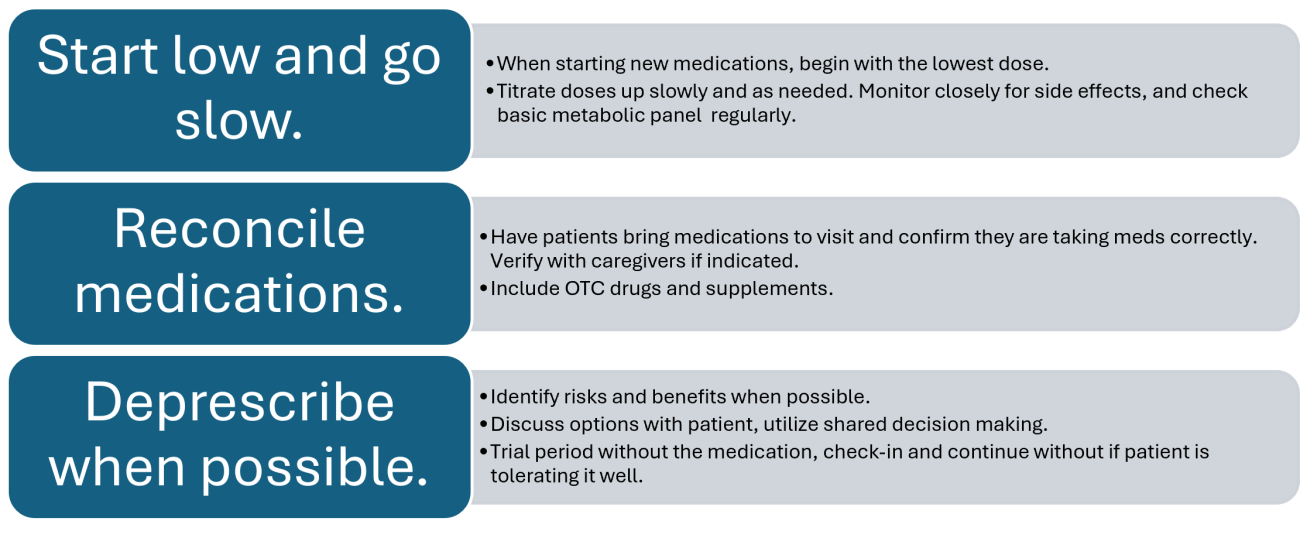
Figure 1. General practices to consider when managing a geriatric patient’s medication list.
Nephrotoxic Medications
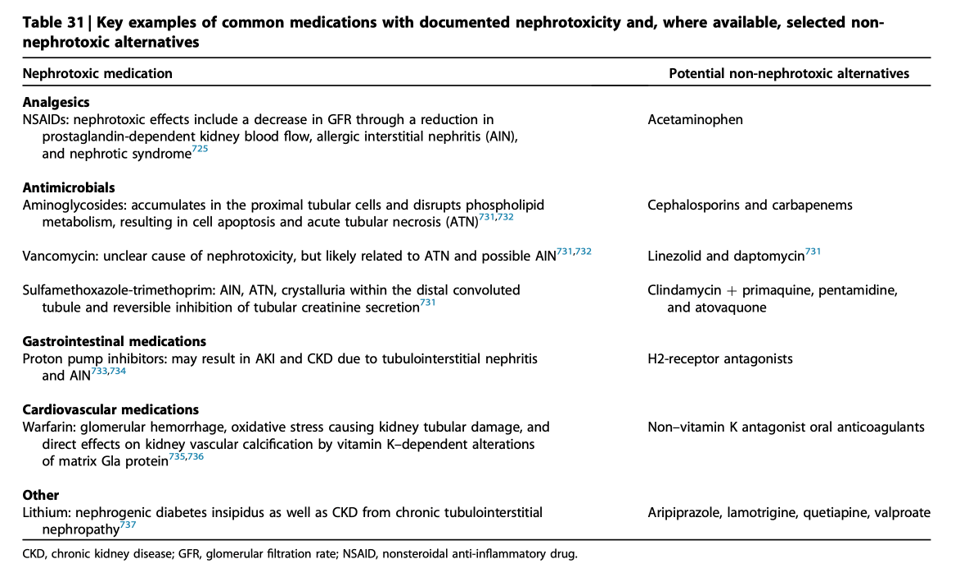
Figure 2. Key nephrotoxic medications with documented mechanisms and selected non-nephrotoxic alternatives (Source: KDIGO 2024 CKD Guideline).5
Drugs can be nephrotoxic through many causes, including prerenal injury via volume depletion,18 and intra-renally via altered intraglomerular hemodynamics, tubular cell toxicity, inflammation, crystal nephropathy, rhabdomyolysis, or thrombotic microangiopathy.1
An especially nephrotoxic combination is the combined administration of an ACEi or angiotensin receptor blocker (ARB), a diuretic, and a non-steroidal anti-inflammatory drug (NSAID). This is commonly referred to as the "triple whammy" and carries a well-established risk of precipitating acute kidney injury (AKI).6
These three drug classes impair renal perfusion through complementary but distinct mechanisms:
- NSAIDs: Block dilation of the afferent arteriole, reducing blood flow into the glomerulus. Risk of causing hypoperfusion leading to prerenal AKI, acute interstitial nephritis, and renal papillary necrosis. Risks exacerbated by advanced age, CKD, dehydration, or concurrent nephrotoxin use.4
- Diuretics: Reduce circulating volume, decreasing renal perfusion pressure and contributing to risk of pre-renal AKI, with highest risk amongst older adults and CKD patients.4 Monitor renal function regularly, avoid overdiuresis, and hold during illness.
- ACEi/ARBs: Dilate the efferent arteriole, reducing pressure across the glomerulus. Can exacerbate hypoperfusion in the setting of use with NSAIDS and/or diuretics.
The combined effect on intraglomerular pressure can be sufficient to precipitate prerenal AKI or accelerate CKD progression and should be avoided, especially in older adults with baseline renal impairment or volume depletion.
When nephrotoxic medications cannot be avoided, frequently check the basic metabolic panel (BMP), serum drug concentrations, and electrolytes. Ensure adequate hydration, especially in periods of illness. Adjust dosing based on eGFR and reassess with any changes in renal function.8
Nephroprotective Medications
Various medications are considered nephroprotective based on their ability to preserve kidney function.
- ACEi/ARB: Provide reduction in albuminuria and stabilization of kidney function by reducing intraglomerular filtration pressure via dilation of the efferent arteriole. Reduced proteinuria and slowed CKD progression in diabetic and nondiabetic CKD, especially at the highest doses tolerated.22 Avoid using ACEi and ARB at the same time, which does not provide better outcomes and can increase the risk of hypotension, hyperkalemia, and renal dysfunction. Check serum creatinine and potassium 2-4 weeks after starting or increasing the dose of an ACEi or ARB. Continue use unless hyperkalemia or creatinine rise greater than 30% develops.5
- SGLT2i: Results in slowed progression of kidney disease with renal and cardiac benefits.21 Confers nephroprotection by reducing hyperfiltration, intraglomerular pressure, and albuminuria.22 Recommended for patients with diabetes or CKD with GFR > 20 mL/min/1.73 m².22 Large studies have demonstrated 30-45% risk reduction in kidney failure, dialysis, or renal death, independent of glucose control.22
- GLP-1 receptor agonists: Demonstrated reduction in kidney failure and death from kidney disease.15 Indicated for use to reduce kidney disease progression and cardiovascular risk, especially when SGLT-2i or metformin are contraindicated or insufficient.5 Provides anti-inflammatory and antioxidative effects, which slow structural kidney injury by reducing renal oxidative stress and cytokine release.23 Safe for use for eGFR of >15 mL/min/1.73 m².
- Statins: Mixed evidence – some studies demonstrate reduced proteinuria and slowed eGFR progression, though others identify AKI risk with high-intensity statins.16 Primary benefit includes reduced atherosclerotic and endothelial injury to vessels, preserving GFR and reducing albuminuria.24 Recommended by guidelines24 for all adults over 50 with CKD who are not on dialysis.
- Finerenone: Significant reductions in albuminuria, CKD progression, and cardiovascular risk by reducing inflammation and fibrosis via inhibition of mineralocorticoid receptors.20 Guidelines recommend starting finerenone once the maximum tolerated dose of ACEi or ARB is reached, and albuminuria persists.5 Continue monitoring potassium levels once initiated.22
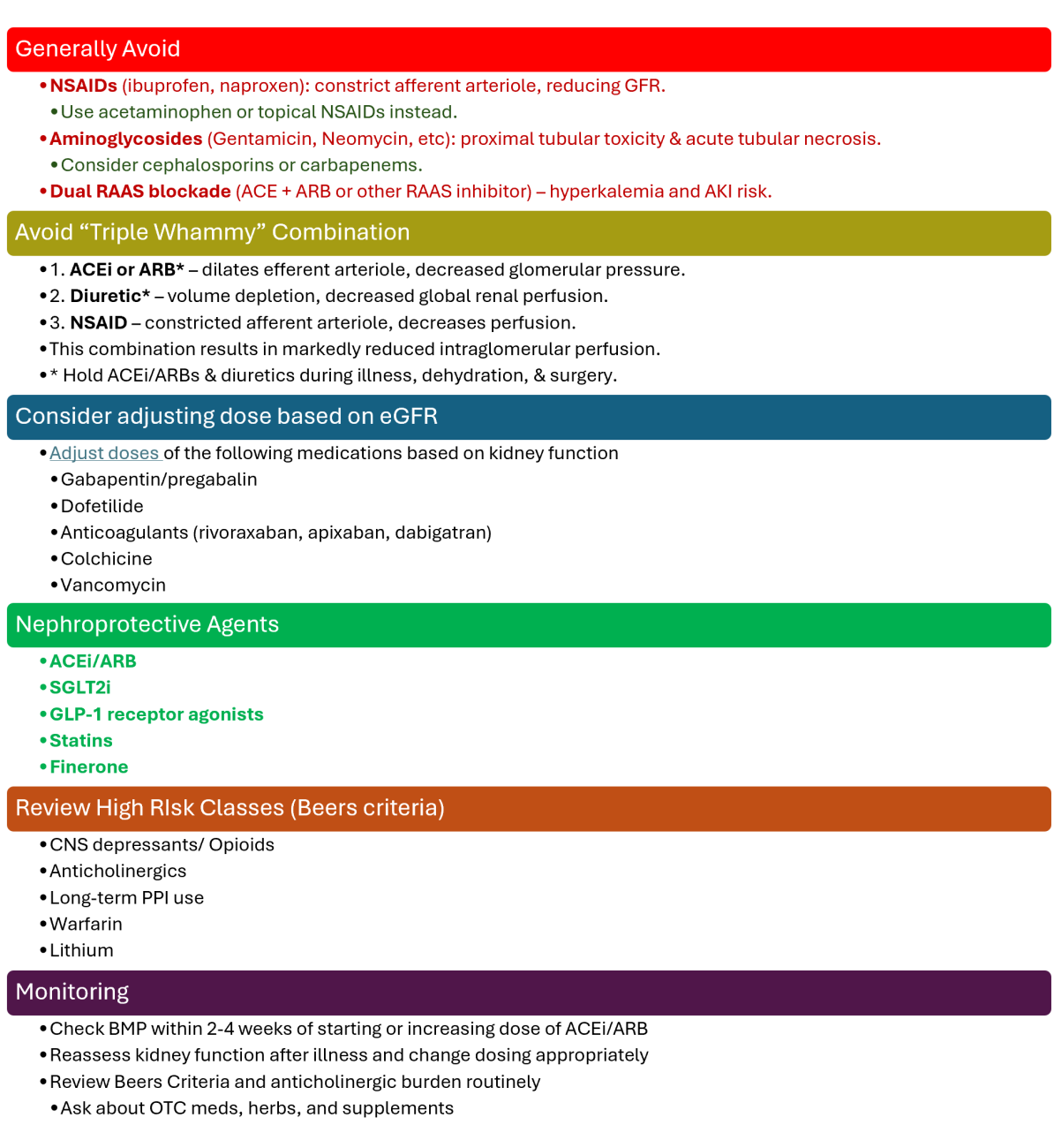
Figure 3. Quick reference guide to managing medications in older adults with CKD.
Clinical Resolution
Upon review of her medications, the patient's ibuprofen is identified as a significant concern. As an NSAID, it contributes to the “triple whammy” combination alongside her lisinopril and hydrochlorothiazide, placing her solitary kidney at risk for acute kidney injury. Ibuprofen is discontinued, and acetaminophen is recommended for pain management. Her metformin dose is reviewed against her current eGFR. Her lisinopril is continued, given its nephroprotective benefit in the setting of diabetes and CKD, with a recheck of her serum creatinine and potassium scheduled at two weeks. An SGLT2i is added, given her diagnosis of type 2 diabetes and CKD. She is counseled to avoid OTC NSAIDs and referred to nephrology for ongoing co-management of her solitary kidney.
References for this article are available here.
Sumathi Devarajan is a faculty member in family medicine at OHSU and the course lead for the geriatric elective, helping guide students to explore clinical inquiry through patient encounters in ambulatory care.
Sarah Holden is a 3rd-year medical student at Oregon Health and Science University and used her clinical experience with a patient in the geriatric elective rotation to look at hypertension in older adults.
Laura Davis is a clinical pharmacist and Certified Diabetes Care and Education Specialist at the OHSU Richmond Clinic, where she works closely with physicians and patients to optimize treatment for a variety of chronic conditions, including diabetes and hypertension