
September 8, 2026
The New Era of Medical Direction: Facing the Crisis of Confluence
By Barbara J. Zarowitz, PharmD, MSW, BCGP, BCPS, FASCP, FPALTC
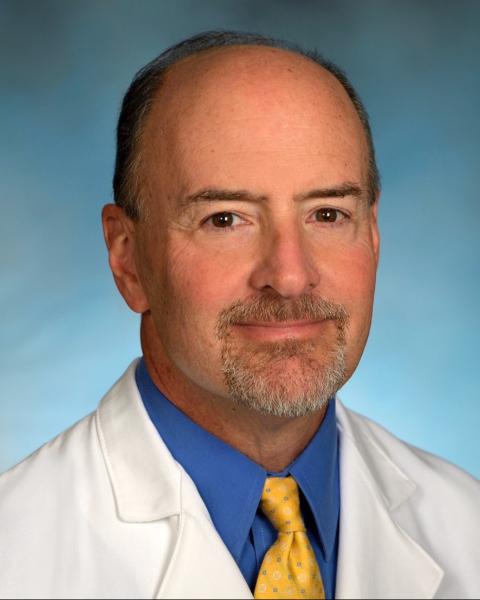
At PALTC26, the Foundation for Post-Acute and Long-Term Care Medicine had the honor and privilege of recognizing Thomas Lawrence, MD, CMD, as the 2026 Steven Levenson Lecturer. The Foundation has the important role of selecting and rewarding exemplary leaders, medical directors, clinicians, and contributors who leave their mark on PALTmed, just as PALTmed has contributed meaningfully to their careers.
Dr. Lawrence is indeed a worthy recipient of the Dr. Steven Levenson Award this year for his years of multifacility long-term care (LTC) medical direction, leadership in revamping the core curriculum in medical direction, and mentorship of Futures scholars and trainees during their PALTC journey. He is currently the system medical director at Geriatric Medicine Main Line Health System in Pennsylvania. In fact, he is the medical director of several Centers for Medicare & Medicaid Services (CMS) 5-Star-rated nursing homes (NH). PALTC26 attendees listened as Dr. Lawrence imparted lessons, updates, and hope for the future of NH medical direction.
He shared his philosophy on medical directors, stating, “You are not a success until you have been fired by a NH for doing the right thing,” emphasizing how up to 70% of the NHs in the United States are owned by private equity firms operating on a very tight margin. While “for-profit” operators have been associated with declining NH quality of care and 5-Star ratings, there are some very positive changes affecting medical directors we can celebrate.
Despite their lack of popularity among NH administrators, the Federal Regulations (Appendix PP of the State Operations Manual Guidance for Surveyors of Long-term Care Facilities) are very protective of the residents we serve. Many of the regulations implemented in the last few years help medical directors in their pursuit of quality of care for residents. For example, F605 Psychotropic Medications and F757 Unnecessary Drugs provide a basis for deprescribing many medications that create a risk of harmful effects in older adults. The regulations spell out safe interventions and alternatives the medical director can use to teach other LTC staff and educate families as part of efforts to improve resident safety.
Dr. Lawrence heralded the effectiveness of PALTmed through the evolution of best practices, as are represented in publications such as JAMDA and Caring for the Ages, and clinical practice guidelines. Age-friendly NH care is another framework in which the quality of resident outcomes can be enhanced through evidence-based practices that optimize Medication, Mobility, and Mentation in alignment with What Matters to the individual. We are grateful to the Institute for Healthcare Improvement for recognizing 4Ms NHs and other health systems and CMS for adding the 5Ms Hospital Quality Reporting measure to their cadre of required quality metrics.
Dr. Lawrence served an important leadership role in revamping the Core Curriculum on Medical Direction for PALTmed and revising the criteria for becoming a Certified Medical Director. Thus far, California, Maryland, and Florida require or will require medical directors to be certified. However, as other states begin to adopt this requirement, it won’t be long until over 50% of the country recognizes the importance of medical director leadership and standard-setting in improving the quality of care in NHs. He encouraged medical directors to shift their focus from management to leadership. And, what does that mean? “Managers do things right, but leaders do the right things.” Key practices of exemplary leadership involve modeling the way, inspiring a shared vision, challenging existing processes, enabling others to action, and encouraging the heart. “When we care so deeply about our older adults, our acts of caring draw other people out,” he noted.
The acts of caring highlighted effectively in Dr. Lawrence’s lecture serve as a call to action for everyone in post-acute and long-term care to join together and collaborate in improving NH quality in this new era of medical direction. Thank you for your leadership and generosity to PALTmed.
Barbara J. Zarowitz is senior advisor to the Peter Lamy Center on Drug Therapy and Aging and affiliate professor at the University of Maryland School of Pharmacy. She serves the Foundation and PALTmed as the editor-in-chief of Caring for the Ages.